


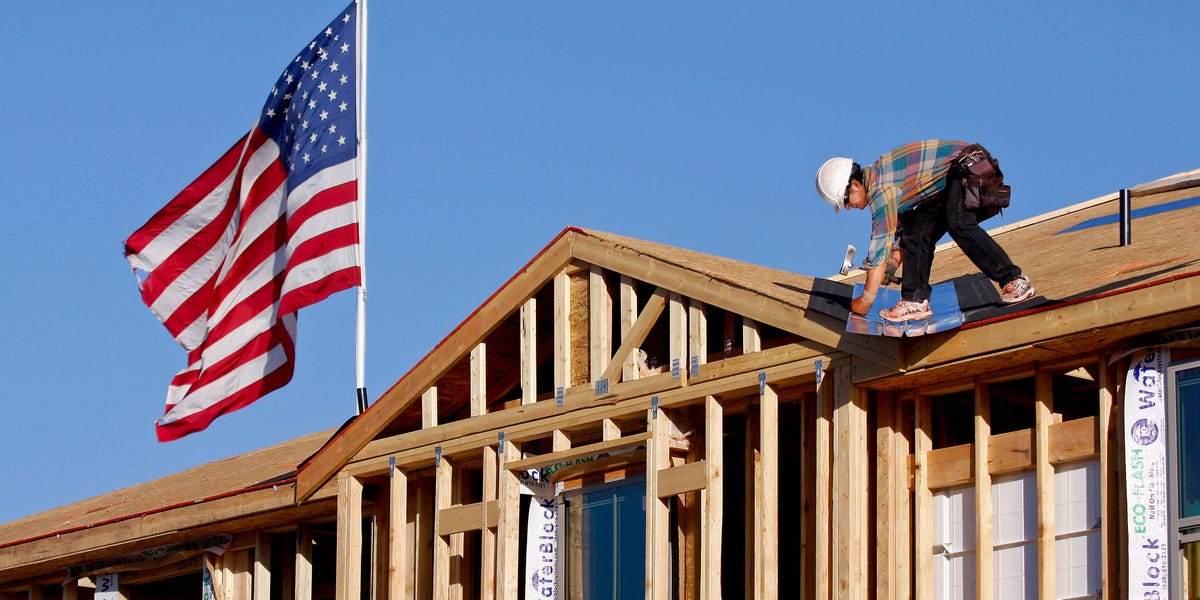
The mood among America’s homebuilders is grim.
Homebuilder sentiment fell three points to 29 in October, according to the National Association of Home Builders/Wells Fargo Housing Market Index.
October’s reading marks the lowest homebuilder sentiment the US has seen since June 2012, the NAHB said, when the housing market was still moving through the aftermath of the 2008 crisis. It shows just how much builders have soured on the housing landscape amid rising costs and a record-breaking slowdown in home sales.
Here’s what explains the decline:
The housing market is frozen. Home sales have been suppressed for years, but the yearslong housing freeze appears to have gotten worse in recent months as more prospective homebuyers head back to the sidelines.
2026 is on track to be the worst year for home sales since 2011, according to an estimate from Capital Economics. Barring the housing slowdown during the pandemic, pending home sales dropped to a 14-year-low in September, according to a Redfin estimate.
Cancellations are rising. More buyers are also getting cold feet and backing out of purchases of new houses as affordability concerns swell. Homebuilding cancellations in the West rose to their highest level since November 2023, according to an estimate from the boutique housing research firm Zelman.Mortgage rates have surged in the last year. Higher borrowing costs—as well as stubbornly high prices in many markets—are causing more prospective buyers to hold off on purchasing a home. The average 30-year fixed mortgage rate clocked in at 7.4% last week, according to Freddie Mac data, the highest level in three years.Building costs are rising. Homebuilders are also being pressured on the cost front, thanks to higher gas and materials prices. To top it off, they’re also facing pressure to lower prices to entice buyers, cutting into profits.
Prices for building material and supplies dealers rose 28.8% year-over-year in September, per the latest producer price index report. Meanwhile, 43% of homebuilders cut prices in October, the highest level since 2020, per the NAHB.
Immigration crackdown. Over a third of homebuilders said immigration enforcement had caused construction delays or discouraged some workers from reporting to work, Bill Owens, the NAHB chairman, said. Reduced labor can also indirectly increase homebuilding costs, as employers may raise wages to attract more workers.
“Housing remains squeezed by supply-side constraints and significant affordability challenges,” Robert Dietz, the chief economist at the NAHB, said in a statement.
The Housing Market Index remains well-below the midway threshold of 50, which suggests that homebuilding is solidly in contractional territory.
Most housing economists don’t expect the outlook for sales or affordability to improve meaningfully anytime soon. That’s largely because rates are likely to stay higher-for-longer, which will continue to act as a barrier for prospective buyers.
Sara Godfrey, an economist at Oxford Economics, said the latest “depressed” homebuilder sentiment reading was consistent with the firm’s view that the housing market would remain stagnant all throughout next year.
Goldman Sachs also said it expects demand to remain “tepid,” adding that existing home sales were likely to fall over the next several months.
Oliver Allen, a senior US economist at Pantheon Macroeconomics, forecast a “meaningful slowdown” in new home sales, pointing to the impact of the recent surge in rates.
“If anything—confidence is likely to fall much further over the next month or two, given the recent trends in rates,” he wrote in a client note on Monday.
