


If you’ve spent any time scrolling TikTok or Instagram, you know how much content competes for your attention. What makes you actually stop and watch?
For Talon Krebs and other content creators, the answer is the hook: the opening moments of a video, designed to grab attention, identify a problem, or create enough curiosity to keep someone watching.
Krebs is a full-time TikTok Shop affiliate who promotes products on the app and earns a commission when shoppers buy through his links. The gig earned the Gen Zer six figures last year, according to a 1099 form reviewed by Business Insider.
His business depends on getting people to stop scrolling.
Here’s an example from one of his most successful videos, which promoted a digital business card. Krebs opened with: “Business cards are officially a thing of the past.”
The statement was somewhat controversial, he said, but it got viewers’ attention. Krebs then demonstrated the product and explained how he used it as an entrepreneur.
Another one of his videos, which has 8.5 million views, opens with: “Want to win Father’s Day this year? Get him a spinning whiskey glass.”
A hook may get someone to watch, but it won’t necessarily lead to a sale. To do that, Krebs said, a video needs to show how a product solves a real problem for the viewer. It also needs to feel genuine. It’s important to connect with your audience, something Krebs said is more difficult to do through a video in an app than in person. Promoting products he already uses or believes in makes that task easier.
Krebs generally keeps videos short, typically between 30 and 50 seconds. He thinks of each video as a loop: The hook opens it; the middle explains or demonstrates the product; and a call to action closes it.
Converting hooks to cash
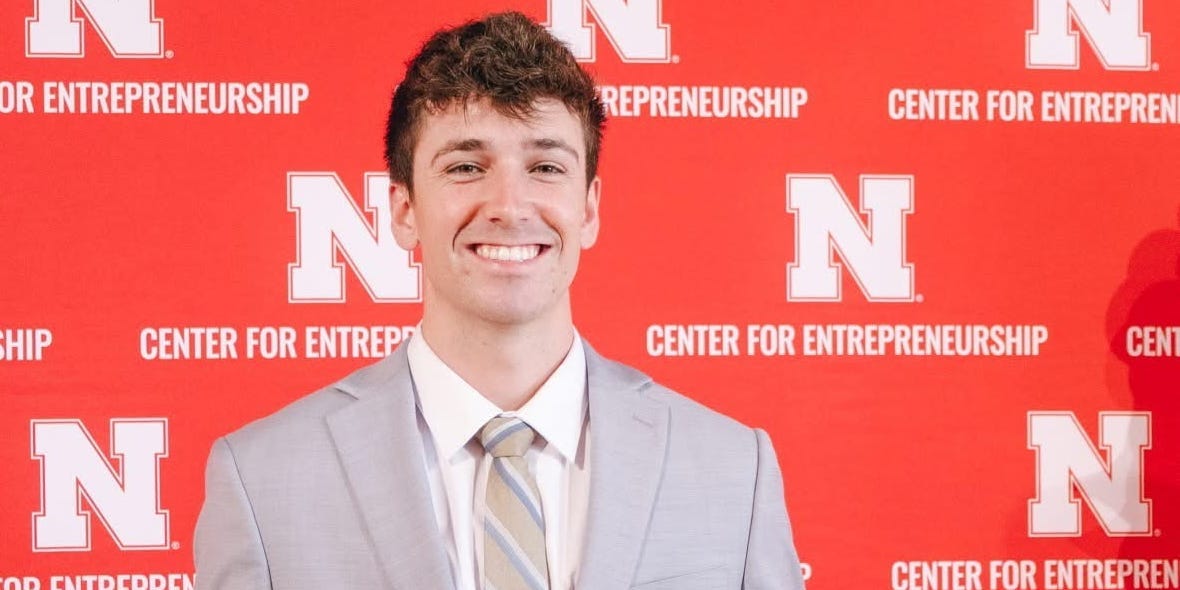
Talon Krebs
Krebs calls TikTok Shop “one of the most profitable business models” he has seen.
The startup costs can be low — especially for someone who already has products at home that are available through the platform and a phone capable of filming video. He got started with less than $500.
Success on the platform, he said, requires volume and persistence.
Krebs posts up to 30 videos a day across three accounts, one of which is just dedicated to “throwing stuff at the wall, trying things,” he said.
Some products that look promising don’t always sell, he said, and some videos go nowhere: “I’ve had high hopes for a lot of products, I post it, and it just doesn’t work. I just have to humble myself, and onto the next.”
Rather than focus on how many views he racks up or what he earns on any given day, Krebs focuses on the work he can control: researching products, studying successful video formats, filming, editing, and posting consistently. In his view, the results from that work often arrive weeks later.
It is, in other words, a numbers game.
“You have to pay into the game to get paid from the game,” he said. “You’re going to make videos on products that aren’t going to make you money. But then one video could make you a yearly salary.”
