



The US midterm elections arrive at a precarious time for markets.
We’re just days removed from the worst stock sell-off in months. Treasury yields — while down slightly from multidecade highs — are still uncomfortably high. And inflationary pressure continues to mount across the economy thanks to $100-plus oil prices.
I previously broke down the stock-market winners and losers under different election scenarios. This time, I’m looking at how the results could amplify — or alleviate — the pressures investors are already facing.
Here’s your election-day cheat sheet by scenario:
1. Split Congress: The gridlock trade
Under this scenario, Democrats take the House, while Republicans retain the Senate, and the resulting legislative stalemate makes major policy changes harder to enact. This could shift investor attention toward Washington’s existing fiscal challenges, which have helped drive a spike in bond yields.
What could improve: Bond market sentiment. Gridlock could limit new spending initiatives, potentially easing concerns about a further widening of the federal deficit. That could provide some relief to rate-sensitive investments like housing.
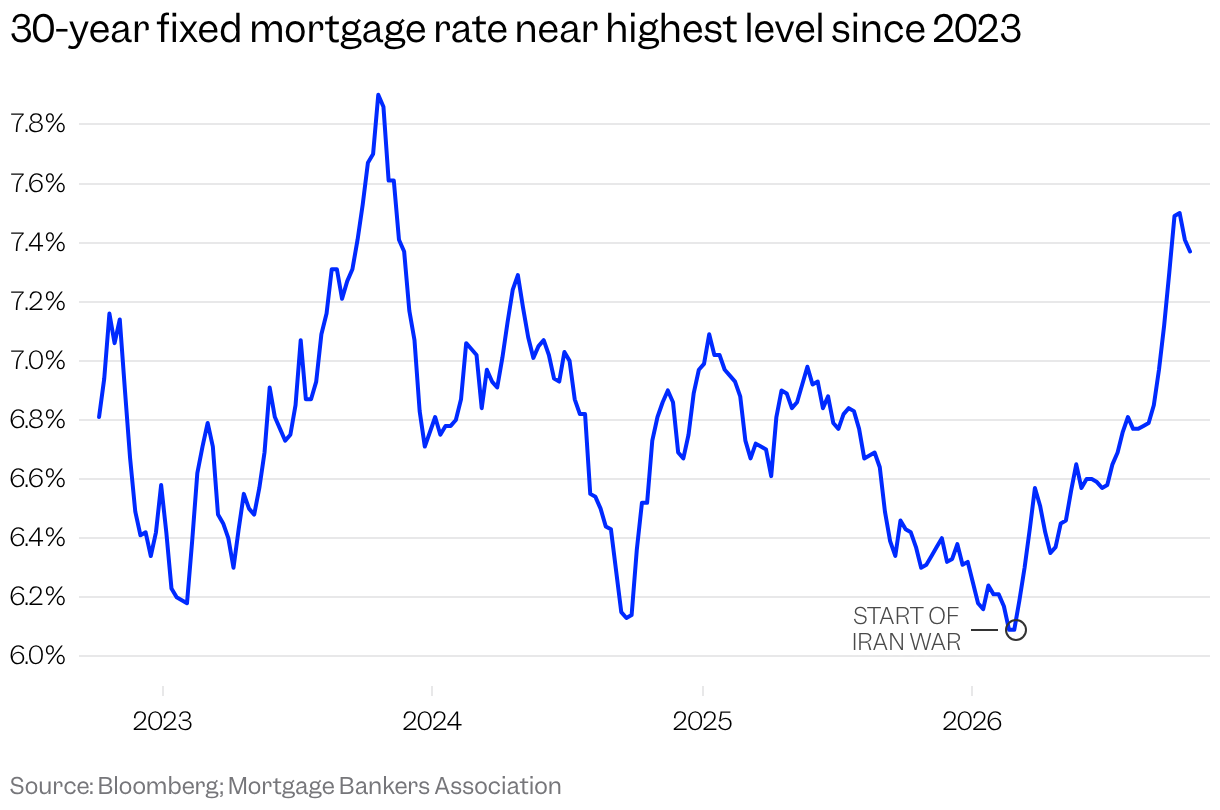
What could get worse: Dysfunction in Washington. A divided Congress could make debt-ceiling and budget negotiations more contentious, potentially injecting fresh volatility into the Treasury market.
2. Blue wave: The affordability trade
If Democrats win both chambers, it would give them more influence over government spending priorities and congressional oversight. However, Trump’s veto power would still limit their ability to enact sweeping legislation.
What could improve: The housing outlook. Democrats could pursue additional affordability measures that create new hurdles for large institutional landlords and help individual homebuyers compete for properties.
What could get worse: The AI-spending headache. Democrats could ramp up scrutiny of data-center electricity costs and the broader AI buildout, adding uncertainty for hyperscalers already facing questions about enormous capex bills.
3. Republican hold: The bond-market test
If Republicans retain both chambers, it would preserve the current legislative balance and create room for additional tax and spending initiatives.
What could improve: The dealmaking environment. Republican control could provide additional support for deregulation, potentially benefiting investment banks and other businesses exposed to dealmaking.
What could get worse: Treasury yields. Additional deficit-financed spending could keep upward pressure on bond yields, worsening an already-difficult picture for housing and highly leveraged companies.
Of course, the election won’t resolve the market’s biggest questions overnight. AI spending, inflation, and interest rates will still loom large. But it will add another wrinkle at a time when things are already chaotic. So buckle up.
Your guide to what’s moving markets
